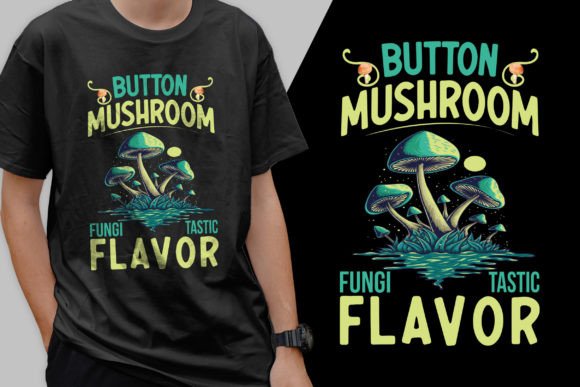
Mushrooms Fungi-Tastic: A Designer’s Embroidery Review
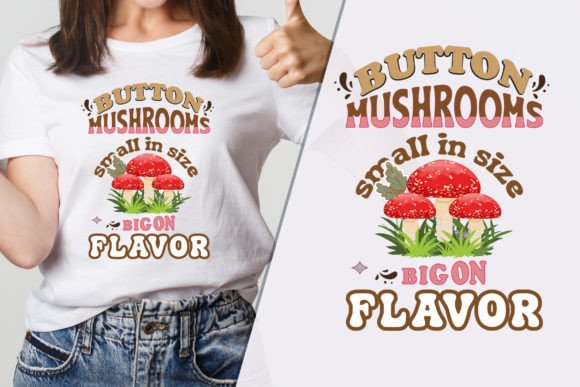
Every now and then, a design lands on your digital desktop that just feels right for the season. The Mushrooms Fungi-Tastic Trendi T-shirt design from PixBow is exactly that. As someone who stitches for clients and for my own small shop, my first thought wasn’t just about a t-shirt. It was about how this charming, whimsical motif would translate into real thread and fabric.
The Whimsical, Grounded Mood of Mushroom Motifs
This design immediately strikes a balance between trendy and timeless. The mushroom theme isn’t just a fleeting graphic; it carries a vibe of cozy woodland, gentle growth, and quiet magic. For embroidery, that’s a fantastic starting point. The layout and detail level suggest a friendly visual personality—not overly fussy, but with enough character to stand out as a handmade product. It feels destined for projects that speak to comfort, nature, and a touch of playful sophistication.
Where This Embroidery File Truly Belongs
I pictured it instantly on a heavyweight cotton tote bag for a craft fair. The natural, organic shapes would stitch up beautifully on that kind of fabric, offering a product that feels both useful and artful. But its application runs much wider. This is a design that could gracefully move onto a cozy fleece sweatshirt for a personalized gift, a linen apron for a boutique kitchen product, or a soft cotton baby blanket for nursery decor. Its appeal isn’t age-specific or gender-specific, which is a huge plus for commercial embroidery or a varied Etsy shop.
For holiday gifts—think a subtly embroidered pillow cover or a set of tea towels—it offers that “just right” level of detail that feels special without being overly ornate. As a custom apparel choice, it works beyond the standard t-shirt, easily adapting to caps (with some consideration for the curved surface), patch applications, or even lightweight jackets.
Considering the Stitching Reality
In practical embroidery situations, the success of any design hinges on clarity. Here, the likely use of fill stitches for the mushroom caps and satin stitches or running stitches for stems and details will be key. On textured fabrics like some sweatshirt materials, you’ll need a good stabilizer to keep those fills clean. On dark fabric, thread color contrast becomes paramount—a bright, creamy white or a soft pastel would pop wonderfully, but you must test first.
For small business merchandise, this kind of design elevates the handmade presentation. It looks intentional and artful, which builds customer trust and boosts the perceived value of your finished product. For a craft business, it’s a design that can become a recognizable part of your brand if you lean into the nature-inspired theme.
Spots Where a Designer Should Pause and Test
My professional instinct says to be cautious with very small hoop sizes. If the design has intricate, tiny detailing, compressing it too much could lose the charming clarity. Similarly, on thin or stretchy fabric, the stitch density must be managed to prevent puckering. I always advise a scrap fabric test, especially for layered garments or items that will undergo frequent washing, like baby clothes or kitchen towels.
Always check how the smallest elements, like possible decorative dots or fine lines, translate into stitches. Run a test in both a light and dark fabric printable mockup to visualize the final product. This step is crucial for your buyer engagement—you want to be confident in how it will look before offering it to a client or listing it in your shop.
A Real-Life Scenario: The Boutique Apron Project
Imagine you’re preparing a limited-run embroidered apron for a small home goods shop. You choose a natural linen. The Mushrooms Fungi-Tastic design, stitched in a palette of mossy green and warm terracotta, becomes a focal point just above the pocket. Its whimsical but grounded mood fits the product perfectly. It feels like a personalized gift, even as a ready-made item. This is where the design’s “Trendi” aspect shines—it’s current but doesn’t shout. The customer reaction you’d anticipate is a smile, a sense of connection, and an appreciation for the craftsmanship.
Embroidery Designer Notes for Confident Use
Before loading any digital embroidery file, my routine applies here:
- Test the Mushrooms Fungi-Tastic Trendi T-shirt design on your chosen fabric scrap with your planned stabilizer.
- Review the stitch density in your software preview; adjust if needed for the fabric weight.
- Confirm your hoop size can accommodate the design without compromising detail.
- Inspect the small details—are they distinct enough to stitch cleanly?
- Compare thread colors for optimal contrast against your project background.
- Crucially, check the licensing provided with the file. Clarify if it’s suitable for both personal and commercial embroidery projects before selling finished items or using it as a design asset in your business.
This design, as part of PixBow’s T-Shirt Designs and Graphics collection, has the potential to be far more versatile than its title suggests. It’s a lovely digital product for creative entrepreneurs and makers looking to add a touch of gentle, natural charm to their work. By approaching it with this practical, testing mindset, you ensure the final embroidered product—whether a tote bag, a baby item, or boutique merchandise—carries that quality and appeal all the way through to the last stitch.