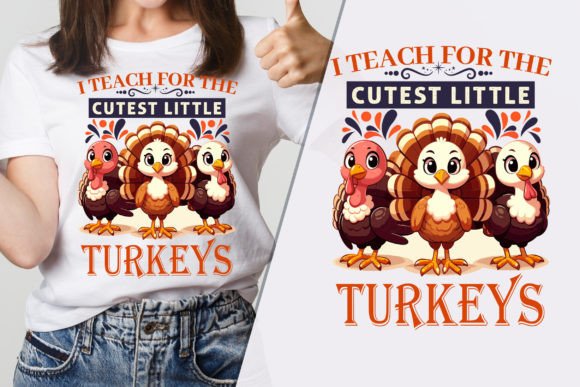
A Designer's Review of the I Teach Thanksgiving Embroidery Design
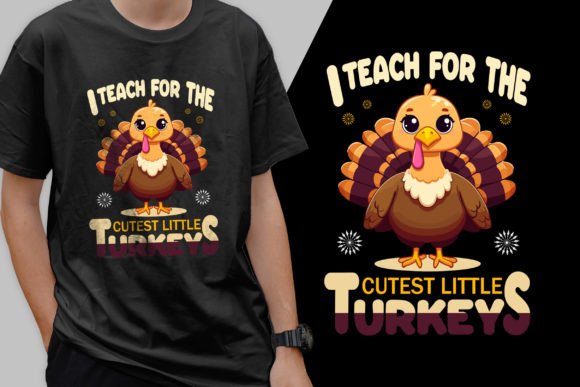
As someone who stitches designs for clients, small shop products, and personalized gifts, my first question is always: how will this embroidery file translate from the screen to a real, tangible piece? When evaluating the I Teach for the Cutest Thanksgiving design for real project use, my immediate impression is one of cheerful, playful gratitude. It’s not a generic holiday motif; it feels purpose-built for educators and anyone in a nurturing role, which gives it a specific and warmly appealing personality.
The Mood and Layout: Where This Design Naturally Belongs
The composition centers on that charming phrase, with the supporting decorative elements framing it in a way that suggests a badge of honor. The detail level looks balanced—not overly dense, which is excellent for maintaining stitch clarity on various fabrics. This visual personality makes it a natural fit for custom apparel meant as a personal statement or a heartfelt gift. I can instantly picture it on a cozy sweatshirt for a teacher, a special apron for a holiday host, or even a decorative pillow cover for a nursery or classroom-themed space.
Performance Across Real Embroidery Projects
Let’s talk about application. I recently considered this design for a custom tote bag intended as a Thanksgiving gift from a student to their teacher. The scale and layout of I Teach for the Cutest Thanksgiving would work beautifully on a canvas tote, offering a durable and useful finished product. For a small business owner creating holiday merchandise, this design could elevate a simple tea towel or a baby onesie into a unique, gift-ready item.
On sweatshirts and t-shirts, the design’s likely stitch density needs consideration. It appears to have areas that could be solid fill stitches, so using proper stabilizer for stretchy knits is non-negotiable to prevent puckering. For caps or curved surfaces, the overall shape seems amenable, though the corners and any tiny decorative accents would require careful hoop placement and possibly a reduction in size for optimal stitching.
Where This Design Requires a Careful Approach
Like any thoughtful embroidery designer, I see a few scenarios where you’d proceed with caution. The lettering, being the focal point, needs to be examined in your software. If the script is particularly small or intricate, stitching it on textured fabrics like some blankets might lose clarity. On very thin or dark fabrics, thread color contrast and stabilizer choice become paramount to ensure the design pops and the fabric isn’t distorted.
For products destined for frequent washing, like baby clothes or kitchen towels, you’d want to test the stitch integrity on a scrap of similar fabric first. Dense stitch areas can sometimes feel stiff, affecting comfort and wearability. This isn’t a drawback of the design itself, but a universal reminder to match the embroidery file to the end-use fabric.
Impact on Appeal, Value, and Customer Engagement
From a commercial perspective, I Teach for the Cutest Thanksgiving enhances product value by being specific. It’s not just “Happy Thanksgiving”; it’s a statement. For an Etsy seller or boutique, this specificity can drive engagement—customers looking for a teacher gift or a personalized family item will recognize it immediately. This recognition builds trust; the buyer feels you’ve curated a design that understands their need.
The handmade presentation, when stitched cleanly with good thread coverage, looks professional and giftable. It supports brand consistency for a shop focused on educators, family-centric holidays, or sentimental gifts. As a digital embroidery file, it’s a solid design asset for craft businesses looking to expand their holiday offerings without starting from a blank canvas.
Practical Designer Notes Before You Stitch
Before loading this machine embroidery design into your hoop, here’s my standard checklist. Always run a test on scrap fabric first. This reveals everything: how the satin stitches or fill stitches behave, whether the running stitch outlines are clean, and how your thread choices look against your background material. Check for contrast on both light and dark fabric backgrounds; you might need different thread palettes for each.
Confirm your hoop size can accommodate the design at your intended scale. Inspect the small details in your editing software to ensure they’ll translate well at your chosen size. Importantly, clarify the licensing for this graphics product. Before selling finished items like embroidered patches or tote bags in your small shop, or using it in commercial embroidery projects for clients, you must know the terms of use.
I often advise creating simple black and white printable mockups or previews to visualize placement on products like aprons or pillow covers. This saves time and material. Finally, consider the fabric texture. A smooth cotton for a tea towel versus a fleece-backed sweatshirt will require different stabilizer approaches to keep the design looking sharp.
In summary, I Teach for the Cutest Thanksgiving strikes me as a design with clear intent and strong application potential. Its charm is direct, and its use cases are plentiful for crafters, makers, and creative entrepreneurs. By approaching it with practical embroidery knowledge—testing, adapting, and matching it to the right project—you can create finished products that feel both professional and deeply personal, perfect for the Thanksgiving season.