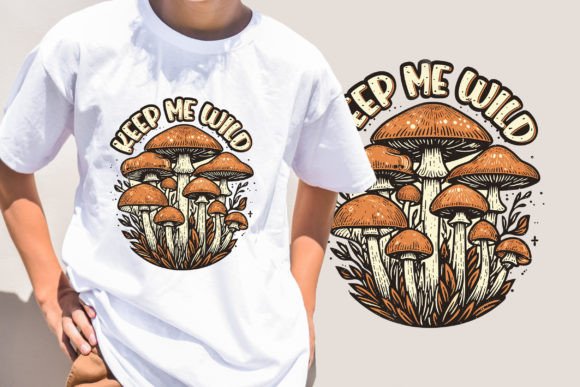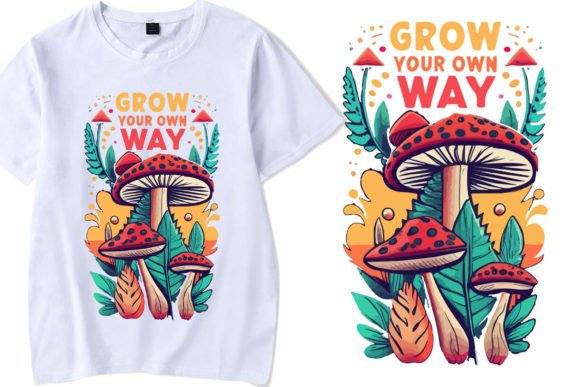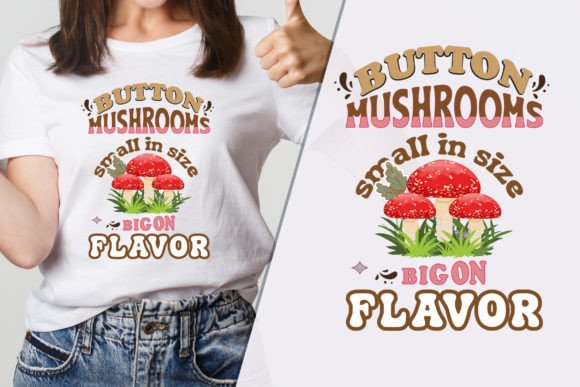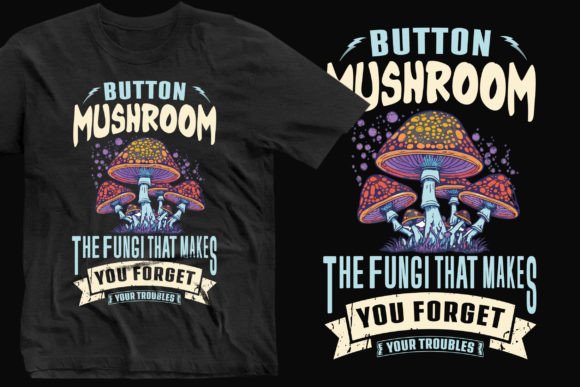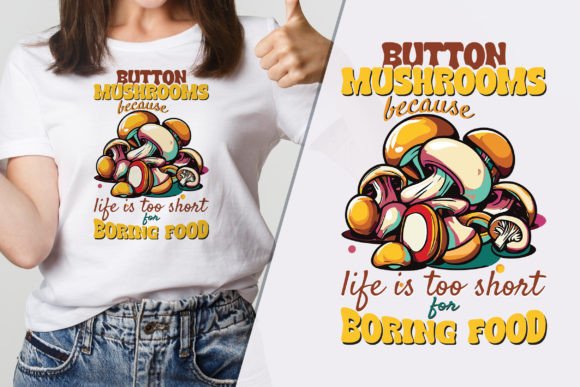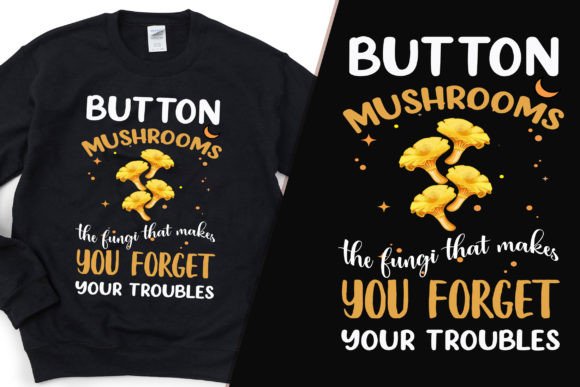
The Button Mushrooms Fungi T-Shirt Design for Embroidery
As a designer who works with embroidery daily, I always look at digital designs with a practical eye. My first question isn't about aesthetics alone; it's how will this look after it's stitched? Let’s walk through the Button Mushrooms Fungi Classy T-Shirt design from that exact perspective.
A First Impression: Quiet, Organic Charm
Opening this file, the mood is clear: it’s a quiet, organic charm. This isn’t a loud, graphic statement. The mushrooms have a classic, almost illustrative quality. The layout feels balanced, with a gentle, natural flow. The detail level is moderate—not overly simplistic, but not so dense that it would become a stitching challenge. This visual personality leans toward timeless, which is a significant advantage for handmade products. It doesn’t scream "trendy," so it has longevity for a craft business.
Immediately, I pictured it on a linen tote bag or a high-quality cotton apron. It feels like it belongs on items meant for daily, gentle use—things that carry a sense of personal touch.
Where This Design Thrives in Real Projects
In practical use, this embroidery design has a wide appeal. Here are the scenarios where I believe it would perform exceptionally well:
- Custom Apparel: On a well-made cotton t-shirt or a cozy sweatshirt, the design would offer a subtle, nature-inspired accent. It’s not overwhelming, so it works for adults and children alike.
- Home & Gift Items: This is a perfect candidate for pillow covers, lightweight tea towels, or nursery decor. Its theme is universally pleasant, making it excellent for holiday gifts or wedding gifts for a couple who loves the outdoors.
- Boutique Merchandise: For an Etsy seller or a small shop with a rustic, cottage-core, or gardening theme, this design could become a staple. It reinforces brand consistency around a natural aesthetic.
- Personalized Products: Adding a name or date near the design could create a beautiful personalized gift, like a commemorative blanket or a child’s keepsake.
- Embroidered Patches: Stitched as a standalone embroidered patch, it could be applied to caps, backpacks, or jackets, offering great versatility.
The design’s visual appeal translates directly to stitching clarity. The shapes are defined, which should result in clean outlines, whether using satin stitch for borders or fill stitch for the mushroom caps. This clarity builds customer trust—when a finished product looks professional and crisp, it enhances the perceived value.
Careful Considerations for Stitching Success
No design is universally perfect for every substrate. Here’s where I would proceed with caution with the Button Mushrooms Fungi Classy T-Shirt design.
- Very Small Hoop Sizes: If the design contains fine details like tiny stem lines, attempting it on a very small hoop might lose definition. Always check the minimum recommended hoop size from the provider.
- Textured or Stretchy Fabrics: On highly textured fabrics like some sweaters, or on thin, stretchy t-shirt material without proper stabilizer, the details could distort. A good stabilizer is non-negotiable here.
- Dark Fabric Backgrounds: This is a general rule, but vital: the chosen thread colors must have enough contrast against dark fabrics to maintain the design’s charm. Testing on scrap fabric is essential.
- Curved Surfaces: On a cap or hat, the curved surface might slightly compress the layout. It would likely still work, but the positioning needs extra attention.
- Products for Frequent Washing: For items like kitchen towels or baby clothes that undergo heavy washing, a robust stitch density is important. I would advise checking the stitch density of this file to ensure durability.
How It Enhances Your Business or Craft
Beyond the stitch itself, this kind of design affects your work’s presentation. Its classic, approachable theme boosts giftability. People are more likely to buy it as a gift because it feels neutral and thoughtful. For creative entrepreneurs, it offers a design asset that can be used across multiple products—from digital product previews and printable mockups for your listings to the actual finished product. This versatility is key for efficiency.
In a craft fair setting, an embroidered tote bag with this design would likely attract positive attention. It’s recognizable yet unique, which aids in buyer engagement. It tells a small story about craftsmanship and nature, which resonates with customers.
Practical Notes for the Embroidery Designer
Before running this machine embroidery design on a final project, my routine checks would include:
- Stitching it on scrap fabric first, using both light and dark backgrounds to see how the thread color contrast holds up.
- Inspecting the small details in the stitched sample. Are any corners or fine lines too delicate? This informs if any adjustments are needed.
- Comparing it in black and white mockups to judge the form without color influence, ensuring the composition is strong.
- Using the appropriate stabilizer for the chosen fabric texture to prevent puckering or thread breakdown.
- Most critically: confirming the licensing terms for this digital embroidery file. Is it cleared for commercial embroidery and selling finished items? Is it suitable for both personal and commercial projects? This step is mandatory before you sell any handmade product or include it in your small shop product line.
Remember, the product category is listed as T-Shirt Designs and the type as Graphics, so its origins are in apparel decoration. That means it’s likely optimized for flat, garment-style applications, but with careful testing, it can beautifully translate to many other surfaces.
A Real-Life Scenario: The Boutique Kitchen Towel
Let’s picture a concrete project. Imagine you’re an apparel decorator also expanding into home goods. You want to create a line of embroidered kitchen towels for a local boutique. You choose a high-quality, light-colored linen towel. The Button Mushrooms Fungi Classy T-Shirt design, stitched in earthy green and brown threads along the hem, would be perfect. It’s not too large, so it doesn’t overpower the towel’s function. It adds a touch of handmade artistry that elevates a simple utility item into a desirable boutique product. The customer reaction would likely be one of appreciation for the subtle, natural detail—it feels special without being fussy.
In essence, this design is a reliable, versatile tool for the maker. It’s not the flashiest file in your library, but its strength is in its adaptable, timeless character. When stitched with care on the right product, it delivers a quiet professionalism that genuinely enhances your work.